
Guidelines for Improving Relationships with Children
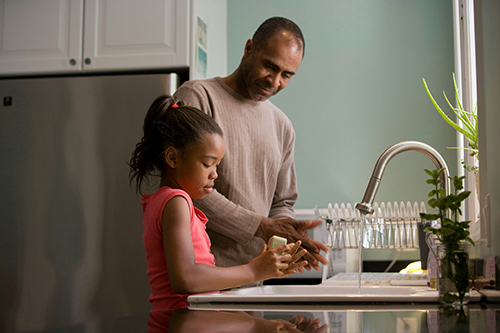
Parenting isn’t about being perfect — it’s about learning, growing, and building strong foundations for your child one moment at a time. The everyday strategies we use to guide, support, and connect with our children shape how they see themselves and the world around them. From encouraging their strengths to allowing natural consequences to teach important lessons, the small choices we make each day can have a big impact on their confidence, resilience, and sense of responsibility.
Here are some simple, meaningful reminders to help you support your child with patience, clarity, and compassion.
- Encouragement: Implies your faith in the child, communicates your belief in her strength and ability. Having faith in her as she is, is not the same as praise, increases self-esteem.
- Natural Consequences: Allow the situation to exert pressure on your child to change his behavior, allow a child to experience unpleasant consequences. Allow your child to experience reality, only in situations of real danger you should protect your child from natural consequences.
- Action speaks louder than words: Removing the child from the situation, time-outs, natural consequences, and explanations should be as short as possible and used when the child doesn’t understand the action.
- Take time to teach your child skills: She needs to know such skills as dressing, eating, and cleaning. Don’t assume she will get it automatically.
- Be firm without dominating. Firmness will gain a child’s respect, domination will teach her to value power and cause her to rebel.
- There is no fun in a temper tantrum when the child has no audience. Withdrawing your attention can be very effective.
- If you give less attention to disturbing behavior, give more attention to cooperative behavior.
- Make a difference between your child as a person and your child’s behavior.
- Never do for your child what she can do for herself.
- A child will become irresponsible if we don’t let them take on responsibility.
- A child can build on strengths, not weaknesses.
- Remember that your child’s feelings are tender and easily hurt.
- Have fun with your child.